

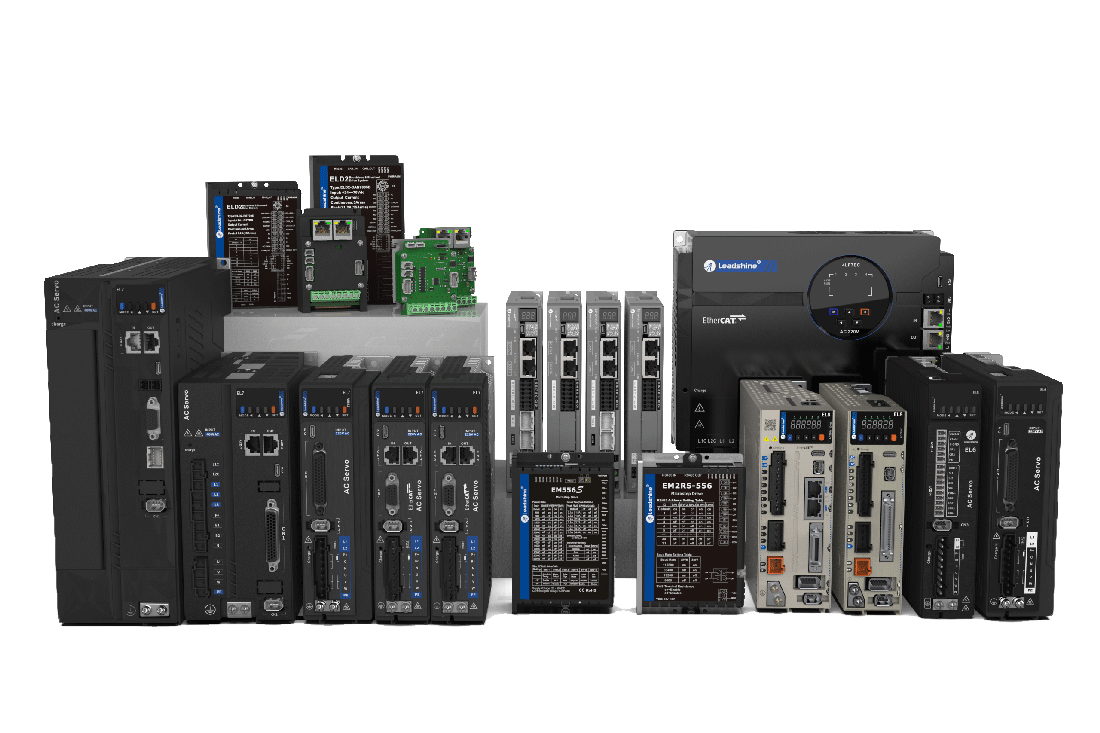


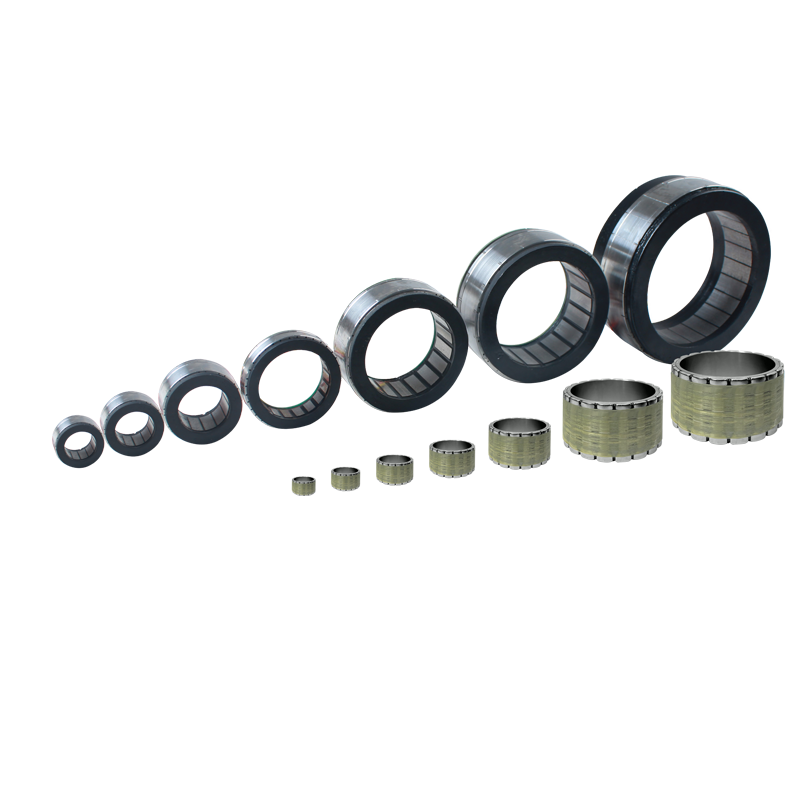





In modern industrial automation, choosing the right motion control solution is essential for efficiency, precision, and scalability. At Leadshine, we have extensive experience in providing reliable step by step motor systems and advanced hybrid servo technologies. Understanding the transition from traditional stepper motors to hybrid servo systems helps businesses optimize performance while maintaining control over costs.
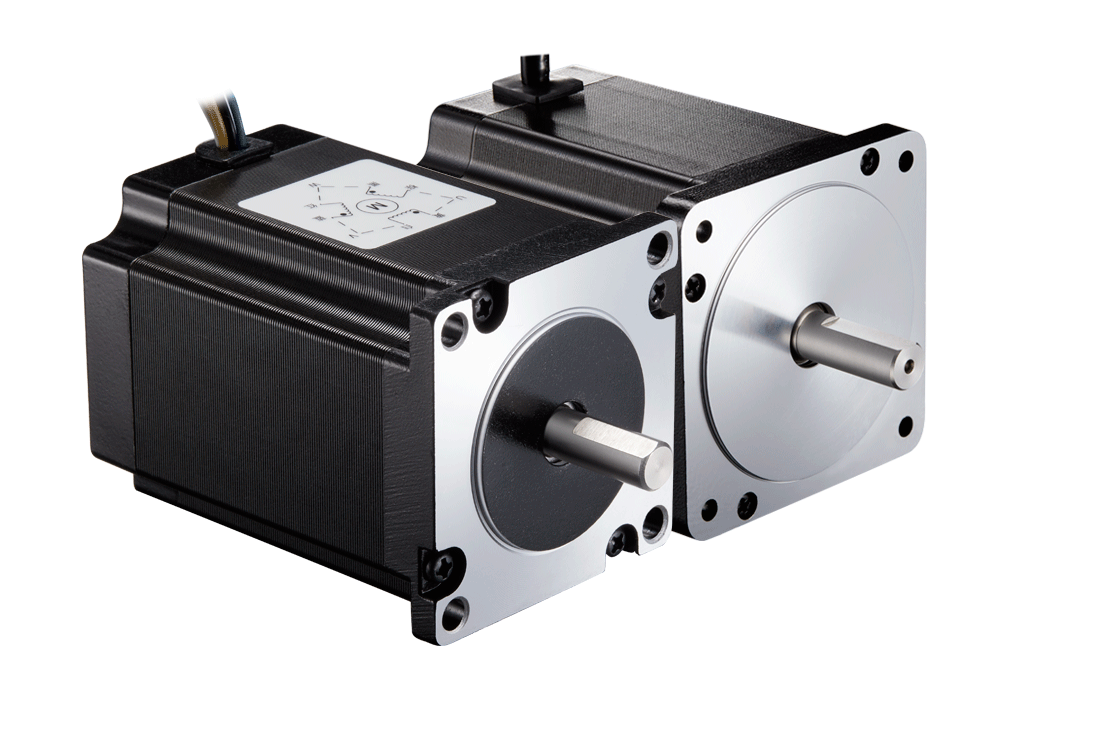
Understanding Step by Step Motor Technology
A step by step motor is a fundamental component in many automation systems. It moves in discrete steps, allowing precise positioning without requiring a feedback system. Stepper motors are widely used in applications such as CNC machines, 3D printers, and small robotic systems due to their simplicity and accuracy. They are compatible with open-loop motion control solutions, which reduces system complexity and initial investment.
Despite their advantages, stepper motors have limitations. At higher speeds, they can experience missed steps or reduced torque, affecting overall system performance. Heat generation in prolonged operations can also impact efficiency. Recognizing these constraints is the first step in exploring more advanced motion control options.
Advantages of Hybrid Servo Systems
Hybrid servo systems combine the reliability of stepper motors with the feedback and torque capabilities of servo systems. By integrating encoders, hybrid servos provide precise position and speed control while minimizing missed steps. These systems are particularly effective in applications requiring higher speeds, heavier loads, or extended operational durations.
At Leadshine, our hybrid servo offerings are designed as flexible motion control solutions. They maintain the ease of use associated with stepper motors while enhancing torque, efficiency, and responsiveness. For many industrial setups, transitioning to hybrid servo systems enables smoother operation, reduced mechanical stress, and improved productivity.
Selecting the Right Motion Control Solution
Choosing between a step by step motor and a hybrid servo system depends on your application requirements. Stepper motors remain suitable for low-to-medium load applications with moderate speed requirements. Hybrid servo systems are ideal for processes demanding higher accuracy, speed, or load capacity.
We assist our clients in evaluating system needs, including torque requirements, operational speed, and environmental conditions. By aligning the right technology with specific application needs, businesses can achieve both operational efficiency and cost-effectiveness.
Conclusion
The transition from stepper motors to hybrid servo systems represents a natural evolution in motion control. At Leadshine, we provide both traditional step by step motor solutions and advanced hybrid servo technologies, ensuring reliable and efficient motion control solutions for a wide range of industries. Understanding the strengths and limitations of each system helps businesses make informed decisions and maintain productivity while adopting suitable automation technologies.